Choosing a payment provider is one of the most critical decisions for your business. It isn't just about transaction fees or fancy features; it’s about trust and legal safety. Many providers use slick marketing to hide a lack of formal structure.
In this blog post, we will guide you through the key aspects of selecting a secure payment provider. From verifying the legal name to understanding the significance of a transparent privacy policy, we'll help you navigate the essential checks that go beyond superficial online impressions. While a flashy Facebook or Instagram account can be enticing, it's vital to recognize the importance of thorough research to ensure your chosen provider meets the highest security standards.
Here is how to peel back the curtain and ensure your money (and your customers' data) is in safe hands.
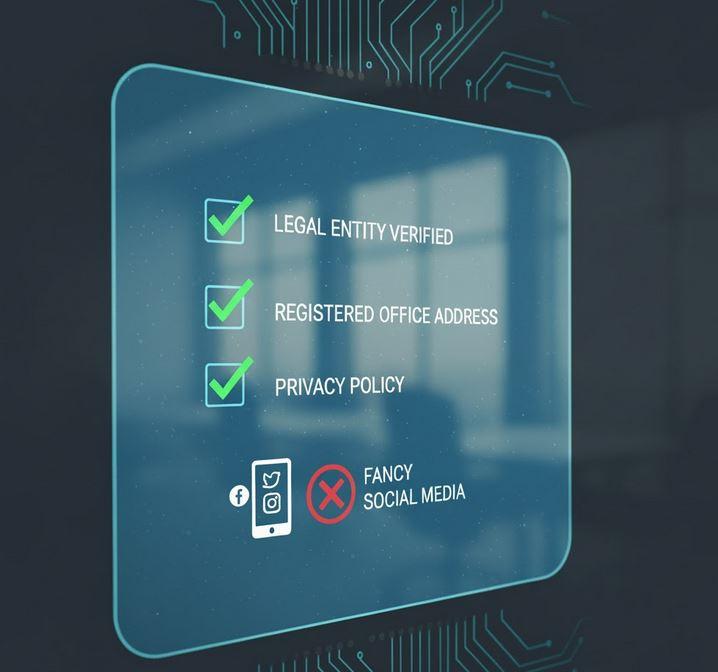
It sounds basic, but many "fly-by-night" payment gateways operate under a brand name without ever disclosing their Registered Legal Name.
A "Contact Us" page with a generic email form is a red flag. A legitimate financial provider must have a physical, registered office address.
A secure provider doesn't just say "we protect your data"—they tell you exactly how.
It is tempting to trust a provider because they have 50,000 followers on Instagram or a "verified" Facebook page with high-quality lifestyle photos.
Warning: A fancy social media account is a marketing expense, not a security feature.
© 2026 PayOpe | All Rights Reserved
PAYOPE TECH LTD Registration Number: HE477580
Registered Office: P. LORDOS CENTER, BLOCK B, Floor 2, Flat/Office 203, Makariou III & Vyronos, 3105 Limassol, Cyprus
Stay updated on our news and events! Sign up to receive our newsletter.